
Changbai Mountain Heavenly Lake: North and West Slopes
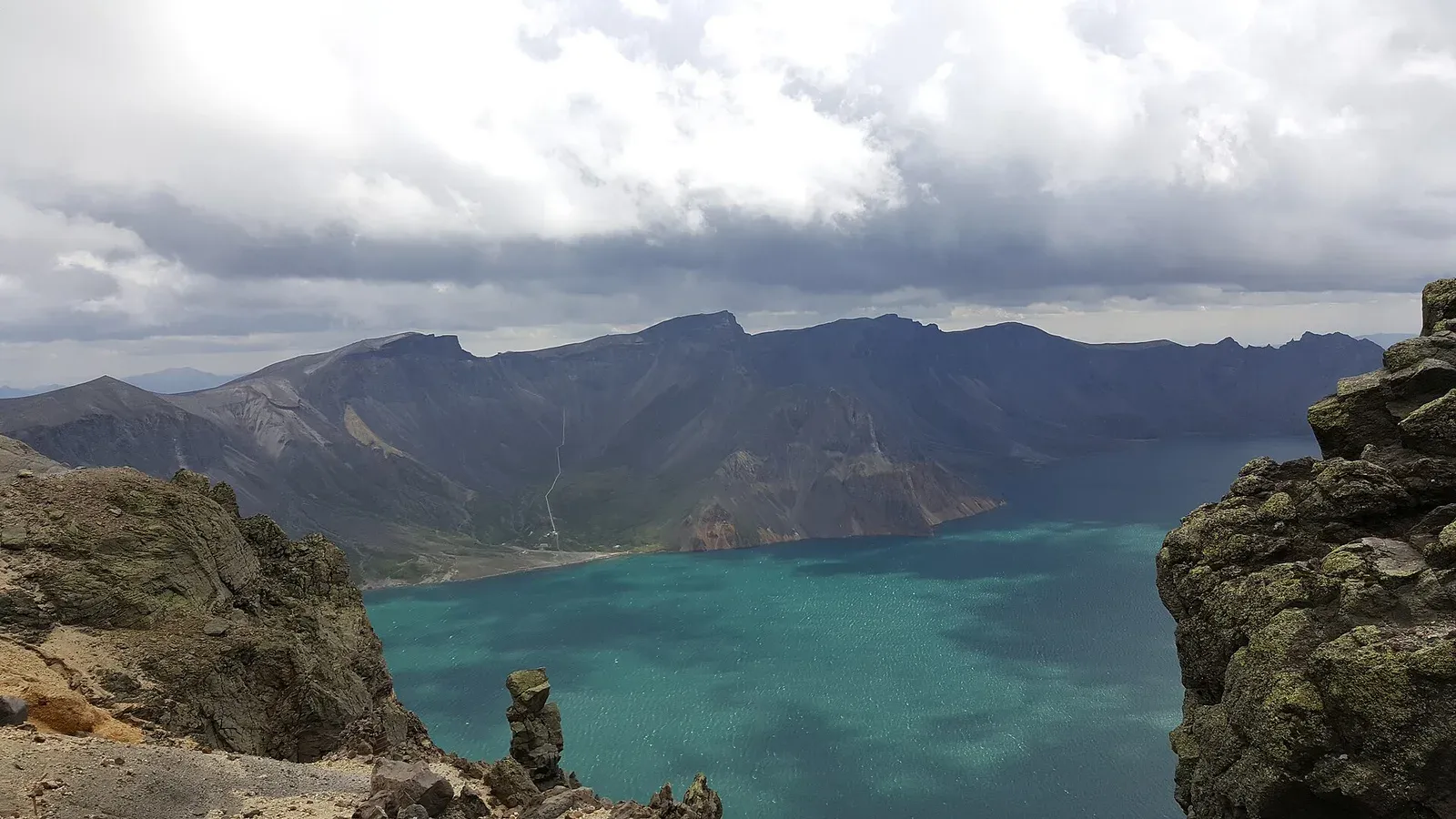
Photo: Antigng / Wikimedia Commons, CC BY-SA 4.0
Visiting Heavenly Lake on Changbai Mountain brings you to China's deepest lake at an elevation of 2,257 meters, with distinctly different experiences between the North Slope and the West Slope. If you prefer taking a shuttle vehicle directly to the summit to look down at the crater lake and explore waterfalls and underground forests in a single day, the North Slope offers a well-developed route. If you want a broad, open panorama of the lake and do not mind hiking up stairs, the West Slope is a solid choice.
| Item | Price and Policy |
|---|---|
| Full-price gate ticket | 105 RMB for both the North and West Scenic Areas |
| Half-price gate ticket | 52.5 RMB for both the North and West Scenic Areas |
| Scenic area eco-bus ticket | 85 RMB |
| North Scenic Area Heavenly Lake summit ticket | 80 RMB (transfer to off-road shuttle vehicle directly to the summit of Tianwen Peak at an altitude of 2,670 meters) |
| Chibei transfer center route | 20 RMB round trip to the North Scenic Area gate |
| Chixi transfer center route | 24 RMB round trip to the West Scenic Area gate |
| Cross-area ticket waiver policy | Free admission to the other scenic area within 5 days of purchasing a ticket with a valid ID |
How Do the North and West Slopes of Changbai Mountain Differ?
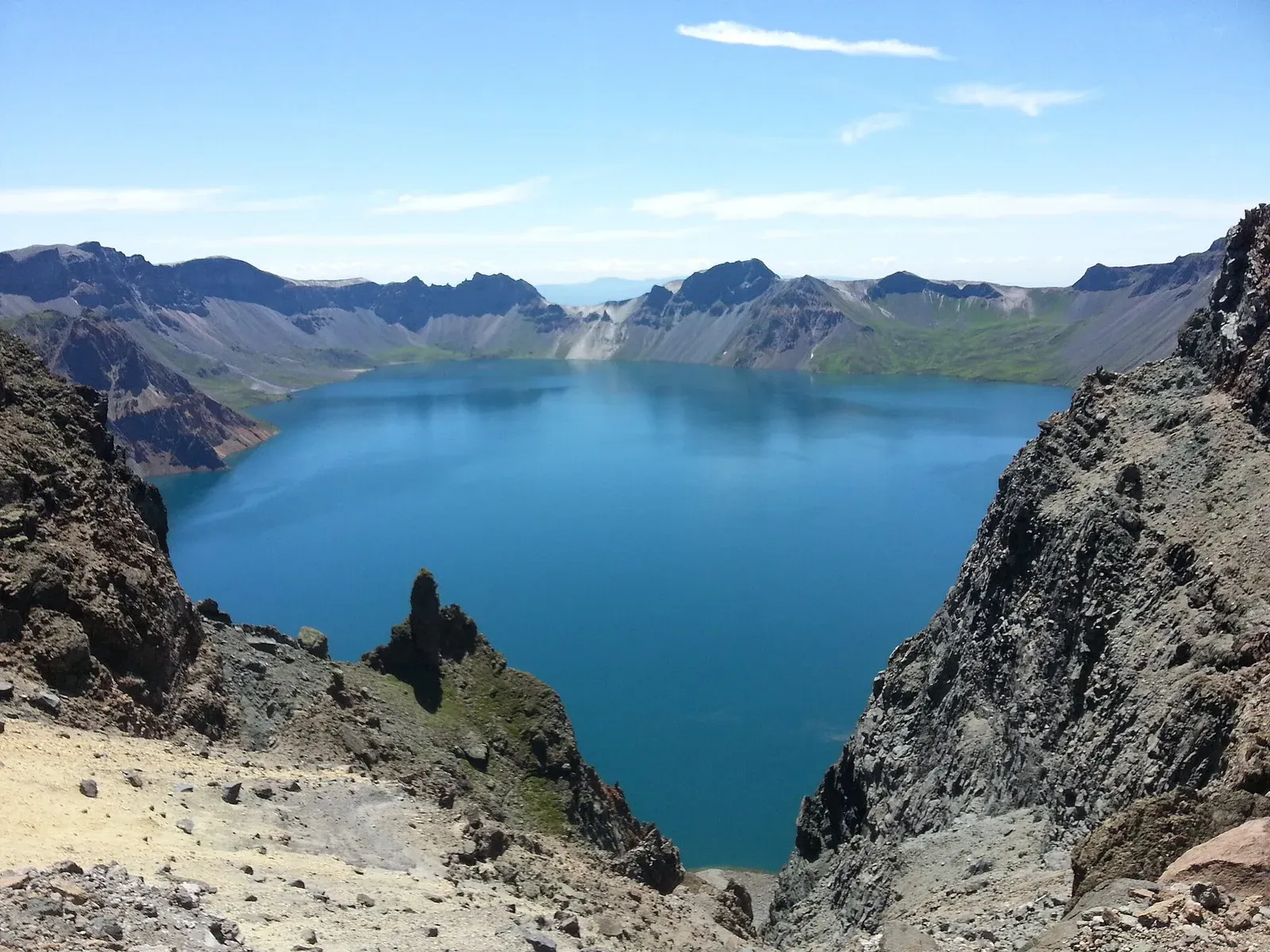
Heavenly Lake covers an area of 9.165 square kilometers, with an average depth of 213.43 meters, a maximum depth of 384 meters, and a total water volume of 1.955 billion cubic meters. The viewing angles from the north and west sides are very different. The North Slope looks down into the lake from Tianwen Peak, offering a steep vantage point where rocky crags partly obstruct the water. The West Slope sits on a gentler edge of the volcanic cone, opening up a broad, unobstructed panorama for viewing and photographing the full lake and sunsets.
If you prefer an easier trip or are traveling with older family members who have limited stamina, the North Slope is recommended because winding roads and summit SUVs take you straight to the top without stairs to climb. If you enjoy hiking and want expansive vistas, the West Slope provides a wide, open view. In addition, Baiyun Peak, at an elevation of 2,691 meters, is the highest point in Jilin Province and Northeast China, sitting right on the mountain ridge.
One-Day North Slope Itinerary
The North Slope route is based around Erdaobaihe Town. The Changbaishan High-Speed Railway Station opened in December 2021, allowing you to catch local Chibei Bus 1 or Bus 3 right outside the station to the town center and visitor distribution center. Once inside the scenic area, take the eco-bus to the transfer station, then switch to a summit SUV that climbs the winding mountain road directly to the 2,670-meter summit of Tianwen Peak to overlook the lake.
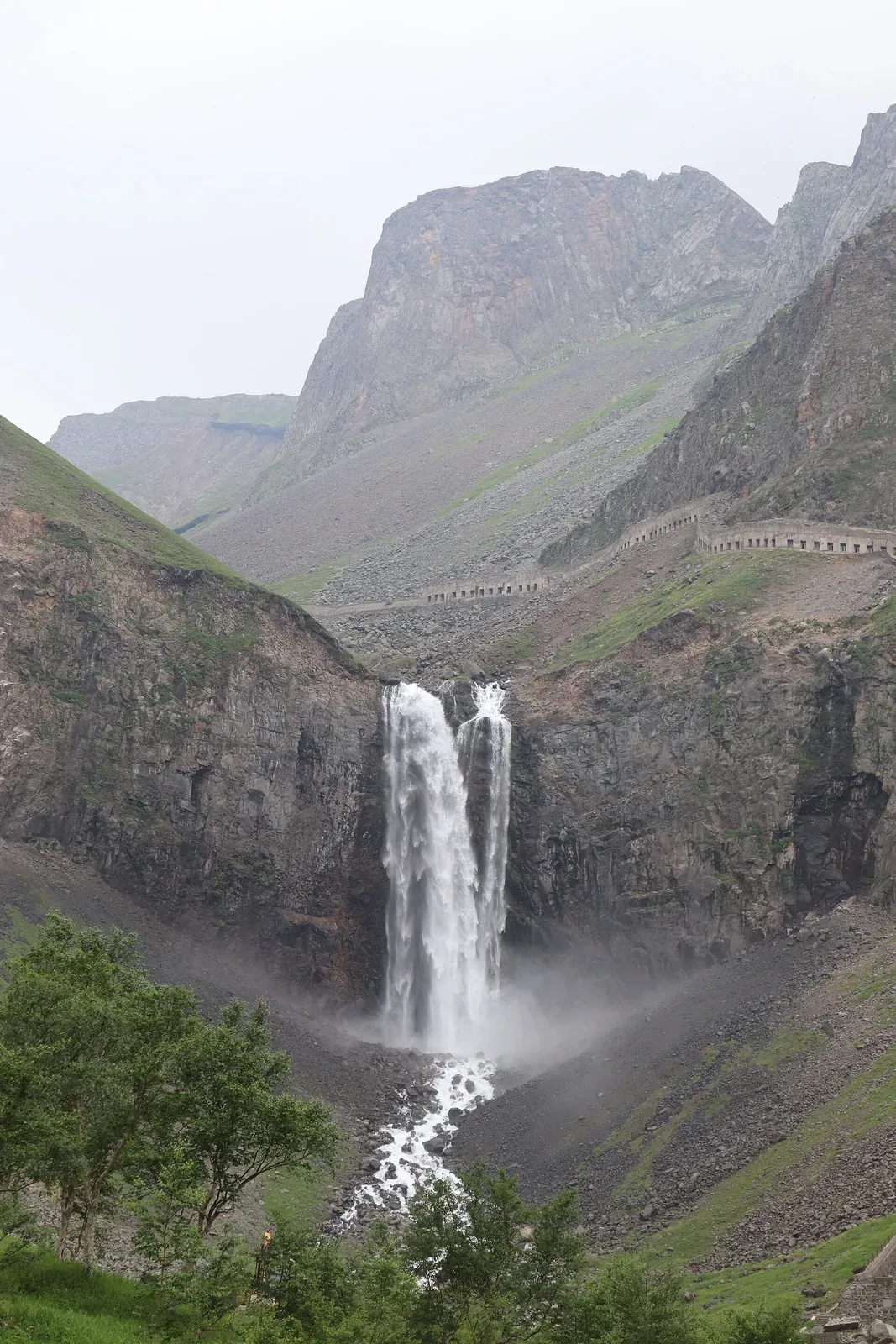
After riding down from the summit, you can explore the volcanic landscapes of the North Slope in sequence. Head first to Changbai Waterfall, where lake water flows through the 1,250-meter-long Chengcha River and plunges 68 meters between two peaks year-round, making it Northeast China's highest-drop waterfall. Next, follow a 1,500-meter wooden boardwalk around deep green Lüyuantan Pool to see three parallel falls dropping 26 meters, taking about 80 minutes on foot.
The second half of the North Slope route visits Small Heavenly Lake and the Underground Forest. Small Heavenly Lake (Yinhuan Lake) is a parasitic crater lake spanning about 5,380 square meters that never dries up and is home to Siberian salamanders. Below it lies the Underground Forest (Valley Forest), formed when volcanic earthquakes caused the ground to sink 70 meters. The valley floor stretches 2,500 to 3,000 meters with towering old trees, serving as the lowest-elevation attraction on the North Slope with rich negative oxygen ions.
Tip: During the summer peak season (May 1 to September 3), the North Slope opens from 7:00 to 17:00, and during the low season (September 4 to April 30) from 8:00 to 17:00; summit SUV tickets need to be purchased in an orderly manner on site inside the park depending on the weather window of the day.
One-Day West Slope Itinerary
The base for the West Slope is Songjianghe Town in Fusong County, Baishan City, Jilin Province. Nearby sits Baishan Changbaishan Airport, the first forest tourism airport on the Chinese mainland, located 18 kilometers from the West Slope gate and 97 kilometers from the South Slope gate in Changbai County. The planned Shenyang-Baishan High-Speed Railway also includes Changbaishan West Station here. After entering the gate, take the park eco-bus through forest zones to the Heavenly Lake parking area, where the main climb begins.
Reaching Heavenly Lake on the West Slope requires climbing 1,440 wood-and-stone steps from the parking lot, passing Chuanqi Slope (Panting Slope) and Laohubei (Tiger's Back) along the way. At the top, you are rewarded with an open view across the lake surface. After descending, take the eco-bus to Jinjiang Grand Canyon. Stretching 14 kilometers with an average depth of over 80 meters and a maximum depth of 160 meters, it is China's largest volcanic rock canyon, lined with volcanic rock formations and dense forests.
If you plan to stay longer on the West Slope or visit in winter, the Wanda Changbaishan International Resort near Songjianghe Town offers ski slopes and hot spring hotels. The snow season runs for 6 months from November to April, with snow depths exceeding 1 meter and light powder snow.
Tip: Opening hours for the West Slope of Changbai Mountain are 7:00 to 15:30 during the summer season (May 1 to September 3) and 8:00 to 17:00 during the off-season (September 4 to April 30 of the following year), with entry stopping earlier in summer than on the North Slope.
How to Combine the North and West Slopes
When you purchase an admission ticket to either the North or West Scenic Area, your valid ID allows free park admission to the other slope within 5 days. With the 105 RMB park entrance fee waived, you only need to pay for that slope's eco-bus ticket and local shuttle bus fare when visiting the second area.
Tourist express buses connect Erdaobaihe Town at the North Slope and Songjianghe Town at the West Slope, costing around 31 RMB each way and taking about 1.5 to 2 hours. High-speed rail lines across Jilin Province, such as the Changchun-Hunchun and Dunhua-Baihe lines, connect Changchun, Jilin City, Dunhua, Yanji, and Changbai Mountain. After touring both slopes, you can easily take a train to Yanji to experience Korean ethnic culture.
| Schedule | Route and Sights | Transport | Key Highlights |
|---|---|---|---|
| Day 1 Morning | Tianwen Peak at North Slope Heavenly Lake | Transfer to off-road shuttle vehicle | Overlooking Heavenly Lake from Tianwen Peak at an altitude of 2,670 meters |
| Day 1 Afternoon | North Slope Changbai Waterfall and Underground Forest | Take scenic area eco-bus | 68-meter-drop waterfall on the Chengcha River and sea of ancient trees |
| Day 2 Morning | West Slope Heavenly Lake | Take express bus (around 31 RMB / 1.5 to 2 hours) to West Slope | Climb 1,440 steps to view the panoramic Heavenly Lake |
| Day 2 Afternoon | West Scenic Area Jinjiang Grand Canyon | Take scenic area eco-bus | 14-kilometer volcanic rock canyon and lava stone peaks |
When Does Heavenly Lake Freeze, and When Is the Weather Clearest?
Heavenly Lake stays frozen for 7 to 8 months, usually freezing over from mid-to-late October or November until thawing in mid-June, with ice thickness between 0.93 and 1.28 meters. If you want to see a snowy white lake surrounded by frozen fields, November through April is the classic window. If you want to see open deep blue water, July and August provide fully thawed views.
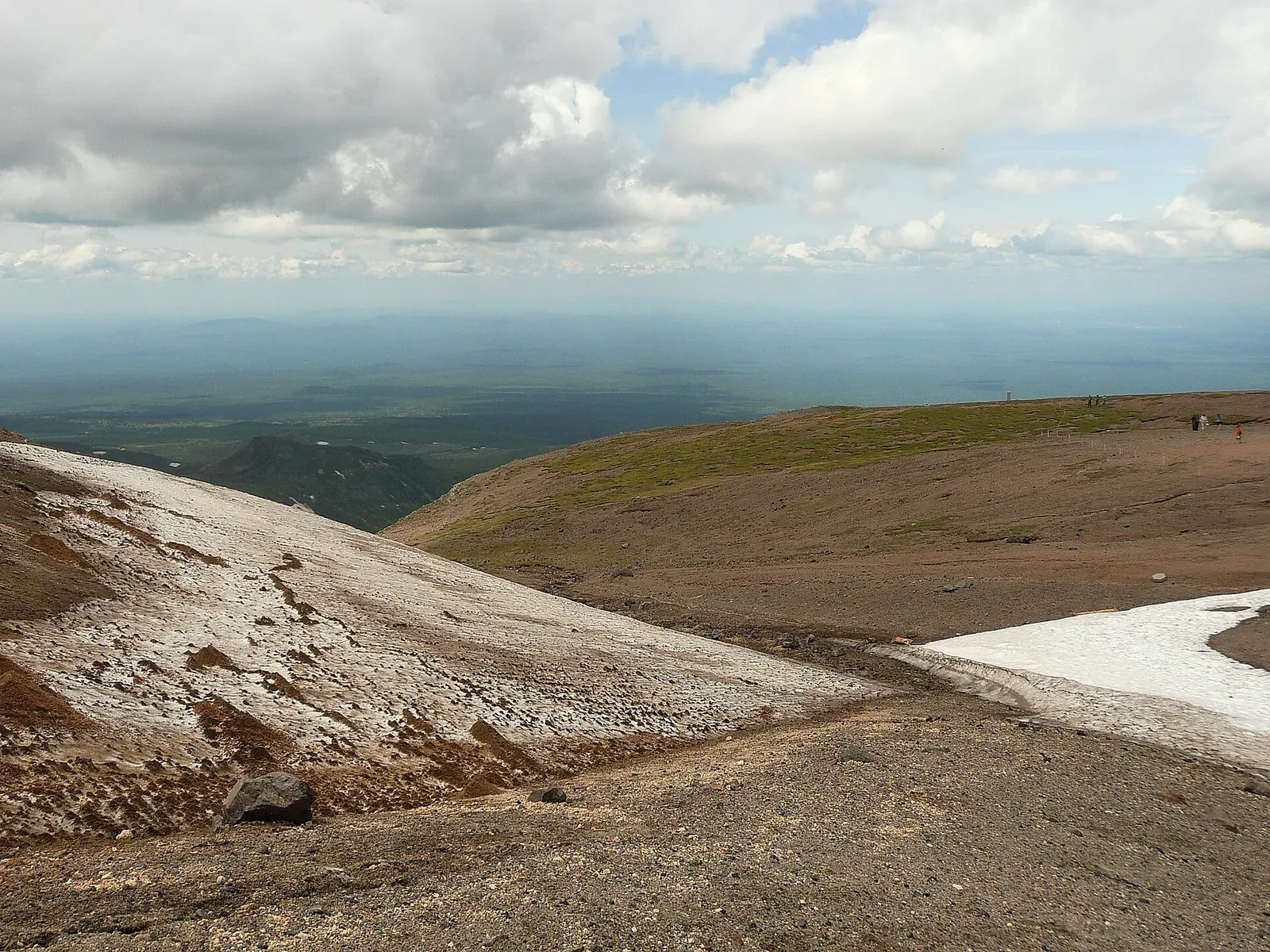
Average annual temperatures on the main peak range from -7°C to 3°C, and even in midsummer July, average peak temperatures do not exceed 10°C. The summit experiences 269 days a year with gale-force winds of scale 8 or above, and 265 foggy days. Completely clear days offering full views of the lake number only around 50 each year, so access depends entirely on immediate weather conditions.
Traveling along the mountain also lets you observe the full vertical vegetation zones of the Eurasian continent. From bottom to top, these include temperate broad-leaved forest, Scotch pine and Korean pine coniferous forest, Erman's birch scrub, alpine meadow tundra, and bare volcanic rock and ice. Check official real-time announcements before setting out; if high winds, rain, or snow close the main peak temporarily, you can adjust your plan to visit the lower-elevation attractions first.
Sources
Jilin Province - Wikipedia
Changbai Mountains - Wikipedia
Baishan Changbaishan Airport - Wikipedia
Shenyang-Baihe High-Speed Railway - Wikipedia
Changbai Mountain Heavenly Lake - Baidu Baike
Yanbian Korean Autonomous Prefecture Changbai Mountain Scenic Area - Baidu Baike
Heaven Lake - Wikipedia
Changbaishan Railway Station - Baidu Baike
Lüyuantan Pool - Baidu Baike
Changbai Mountain West Scenic Area - Baidu Baike
Sources verified on Nov 19, 2026
FAQ
Are you guaranteed to see Heavenly Lake at Changbai Mountain, and what happens if the summit closes?
The main summit experiences up to 265 foggy days and 269 gale days with winds of scale 8 or higher each year, leaving only around 50 clear days to see the entire lake clearly. Summit access depends entirely on immediate conditions. If the top closes due to winds or fog, you can still visit lower attractions like Changbai Waterfall, Lüyuantan Pool, and Jinjiang Grand Canyon, and your summit SUV ticket can be refunded according to park policy.
How difficult is climbing the 1,440 steps on the West Slope, and is it suitable for seniors and young children?
The climb from the parking lot to the viewing platform involves 1,440 wood-and-stone steps, passing steep sections like Panting Slope and Tiger's Back. It can be physically demanding for older travelers with limited stamina or young kids. If you are traveling with seniors who prefer avoiding steep stairs, the North Slope is often better since SUVs carry you directly to the summit.
How does the 5-day cross-slope free admission policy work between the North and West Scenic Areas?
After purchasing a standard (105 RMB) or discounted (52.5 RMB) real-name ticket for either the North or West Scenic Area through official channels, you can enter the other slope without paying park admission within 5 days using the same valid ID. However, the waiver does not include transport, so entering the second scenic area still requires paying separately for that area's eco-bus and local shuttle bus tickets.
Which airport should you fly into, and which train station should you use for Changbai Mountain?
If you focus on the North Slope, taking high-speed rail to Changbaishan Railway Station (in Erdaobaihe Town) is convenient, with local buses running right from the station into town. If you focus on the West Slope or winter ski resorts, you can fly into Baishan Changbaishan Airport, 18 kilometers from the West Slope gate, or check connections via the Changbaishan West Railway Station on the Shenyang-Baihe high-speed rail line.