
Best Place to Travel in China to Learn Mandarin

Photo: mayanming / Wikimedia Commons, CC BY-SA 3.0
Which is the best place to travel in China to learn Mandarin? In 1956, Chinese authorities officially defined Modern Standard Mandarin based on Beijing phonology and Northern dialects. Because of this, Chengde in Hebei, Harbin in Heilongjiang, and the capital Beijing serve as core northern hubs for immersive language learning. The local speech of Luanping in Chengde was a key sample for standard national Mandarin. On northern streets, people naturally speak Mandarin in daily life, making it easy for you to practice listening and speaking.
Why Is Chengde a Top Choice for Standard Mandarin Pronunciation?
The pronunciation of Modern Standard Mandarin drew on speech samples from residents of Luanping County in Chengde, Hebei. Located about 225 kilometers northeast of Beijing, Luanping was historically an important courier station for Qing dynasty officials traveling between Beijing and the Mountain Resort, helping establish a tradition of clear standard Mandarin. Linguistic surveys show that the Chengde dialect features clearer articulation than urban Beijing accents, with very few rhotic suffixes (erhua) or swallowed syllables, making it well suited for beginners practicing listening and shadowing.
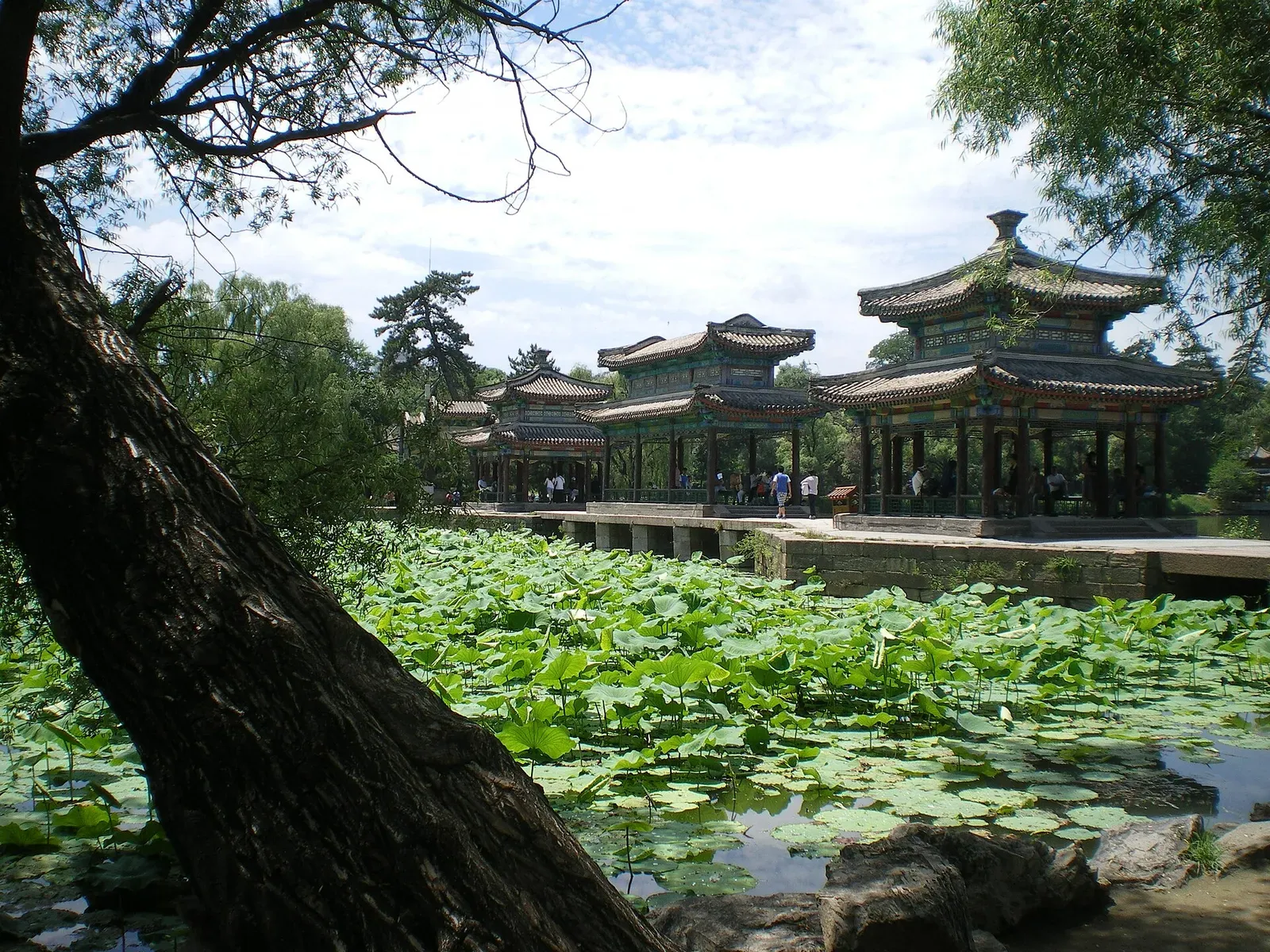
Construction of the Chengde Mountain Resort began in 1703 and finished in 1790. Covering an area of 5.64 million square meters with palace walls extending over 10,000 meters, it is the largest surviving royal garden in China. The Mountain Resort and its Outlying Temples were added to the UNESCO World Heritage List in 1994. Inside Puning Temple, built in 1755, stands the world's tallest wooden statue of the Thousand-Armed Avalokiteshvara. High-speed trains run from Beijing Chaoyang Station (北京朝阳站) to Chengde South Station (承德南站) along the Beijing-Shenyang Passenger Dedicated Line, designed for speeds of 350 km/h, with the fastest trip taking just over 50 minutes.
Tip: Tickets for the Chengde Mountain Resort are divided into low season (November to February) and peak season (March to October). Late summer and early autumn offer the most pleasant travel conditions, while the mountain area closes to visitors during winter and spring for forest fire prevention.
Why Is Harbin Recommended for Mandarin Practice?
Linguistic research indicates that among Northeastern Mandarin dialects, the Harbin accent sounds closer to Beijing Mandarin than speech in Jilin, Changchun, or Shenyang, offering clear and steady pronunciation. Residents on Harbin's streets enunciate cleanly at a moderate pace, making it a popular destination for practicing spoken Chinese. Talking with locals in neighborhood eateries or shops lets you hear natural northern conversation every day.
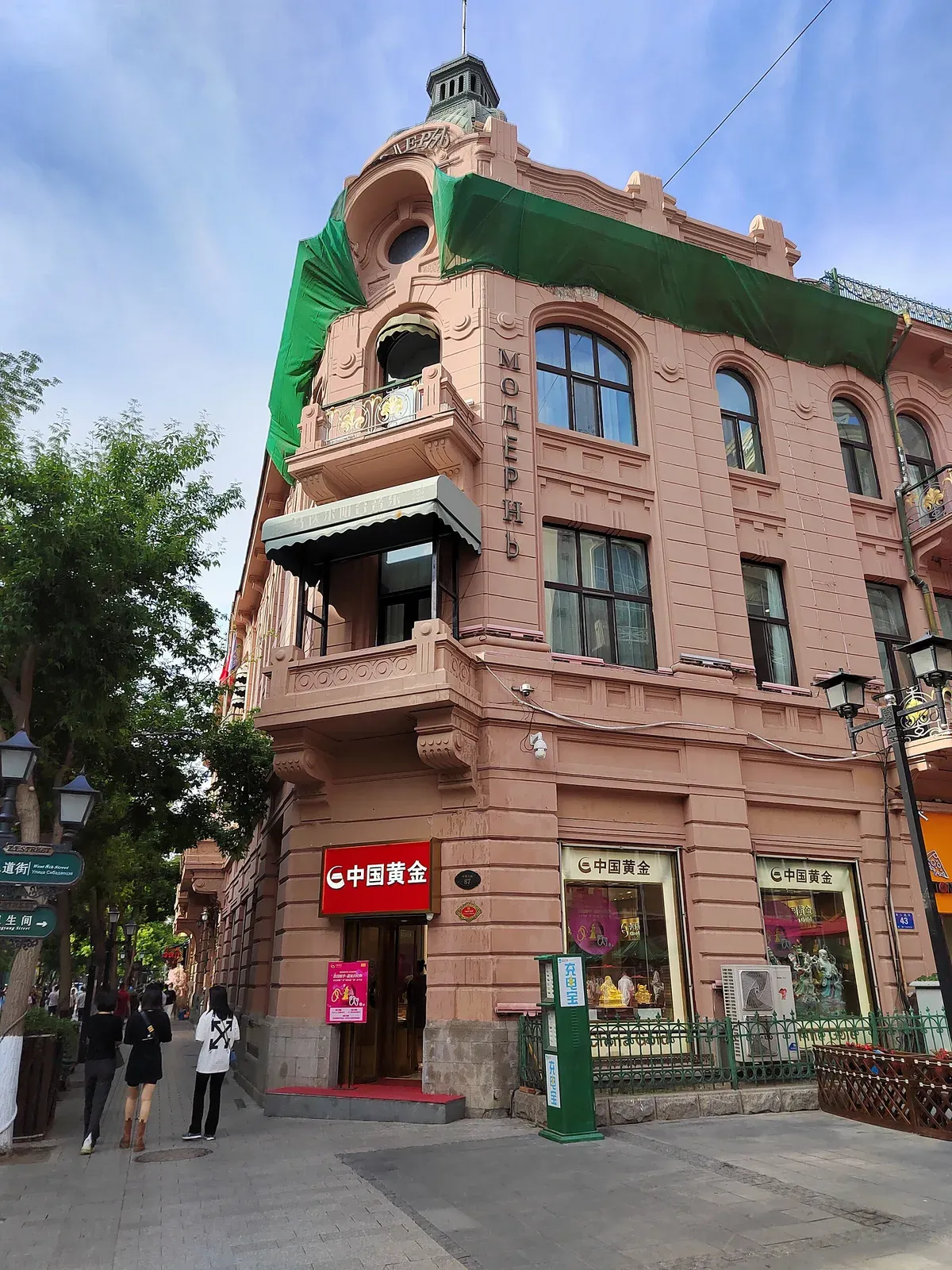
Central Street in Harbin was first laid out in 1898. Paved with cobblestones, it runs for 1,450 meters, features 71 European-style buildings, and opened as a pedestrian street in 1997. Saint Sophia Cathedral, started in 1907 and completed in 1932, stands 53.35 meters tall and is the largest Eastern Orthodox church in the Far East. If you visit in winter, you can explore Harbin Ice and Snow World, which opens in mid-to-late December across 1.2 million square meters. According to China Meteorological Administration data, the average minimum temperature in Harbin in January is -22.4°C, with daily lows often dropping below -20°C.

Tip: To counter the extreme cold, Harbin Ice and Snow World provides a 5,000-square-meter air-dome warming hall offering free hot drinks and multilingual guides.
Traveling to Beijing: What Separates Local Dialect from Standard Mandarin?
Beijing has served as China's cultural center and capital for six hundred years, yet the authentic local Beijing dialect differs notably from Modern Standard Mandarin. Traditional Beijing speech is marked by frequent retroflex endings (erhua), such as saying 'nar' and 'beir', along with swallowed syllables in fast speech, turning 'bu zhidao' (don't know) into 'burdao' or 'laoshi' (teacher) into 'laor'. A 2010 survey by Beijing Union University revealed that 49% of young Beijingers born after 1980 prefer speaking Standard Mandarin in daily life.
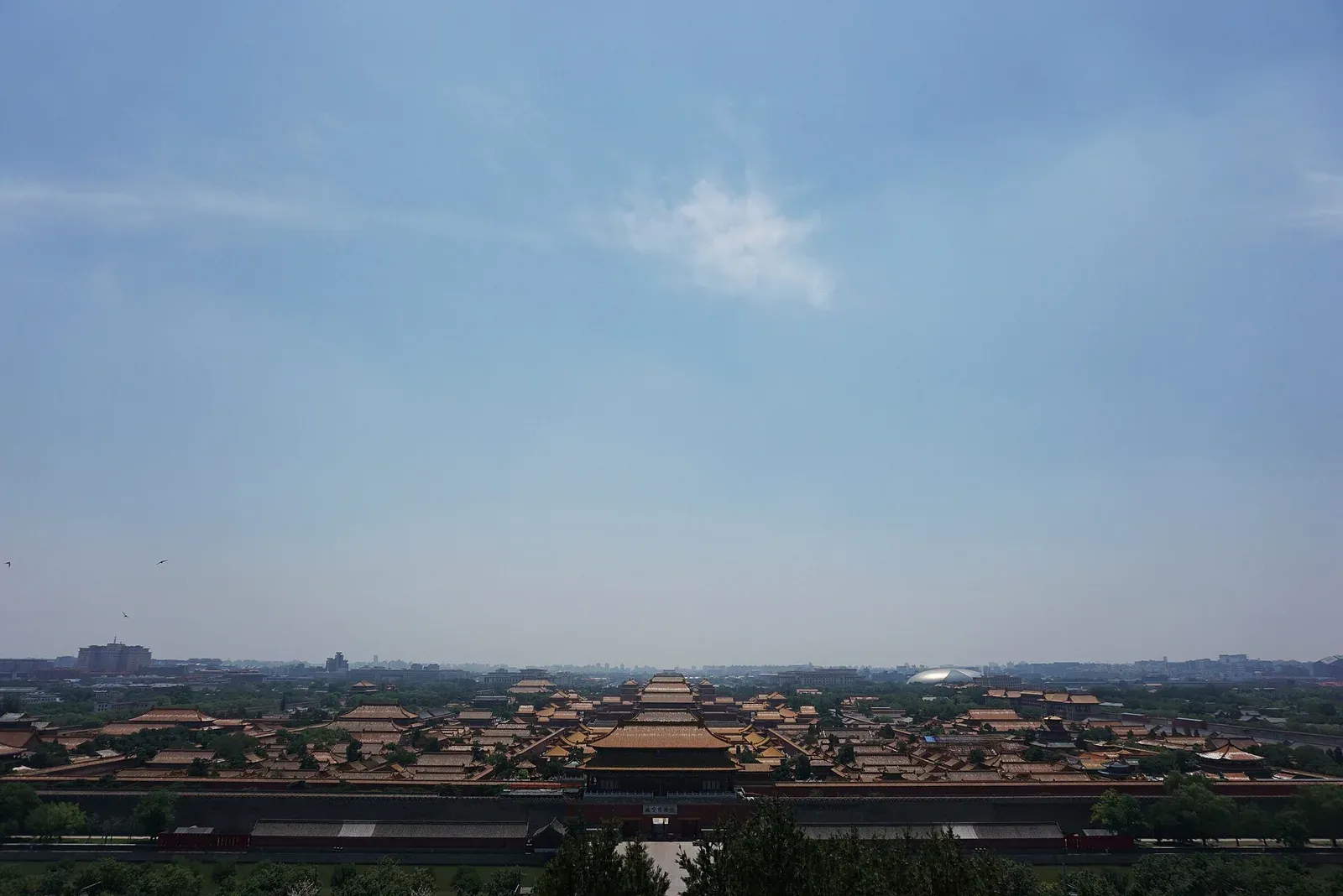
While riding public transit or exploring streets in Beijing, you can pick up polite local phrases, such as saying 'laojia' (excuse me) to ask for directions or pass by, or calling a casual stroll 'liuda'. Spending 3 to 4 days is recommended for Beijing, with April to May and September to October offering the best weather. Highlights include the Forbidden City, Mutianyu Great Wall, and Shichahai hutongs. Climbing Wanchun Pavilion in Jingshan Park, just north of the palace, gives you a full view of the Forbidden City and Beijing's central axis.
Tip: Foreign visitors must call (010) 66055431 between 9:00 and 16:00 at least one day in advance to reserve entry to Jingshan Park, then purchase tickets at the South Gate inquiry desk with their original passports, as walk-in foreign guests cannot buy tickets on site. The Palace Museum is closed on Mondays except on public holidays, and ticket bookings open at 20:00 seven days before your visit.
Chengde, Harbin, or Beijing: Which Destination Fits Your Mandarin Journey?
If you are an absolute beginner looking for crisp pronunciation without swallowed syllables, Chengde is a great pick. If you love winter scenery and prefer a steady speaking pace, Harbin makes a fitting trip. If you want world-class historical sights and wish to distinguish local accents in real context, Beijing is the place to be. The table below compares the key features of all three cities:
| City | Mandarin Pronunciation Features | Target Proficiency | Key Sights and Highlights | Transit and Time Needed |
|---|---|---|---|---|
| Chengde, Hebei | Luanping served as standard Mandarin phonetic sample; very few rhotic endings or swallowed syllables | Absolute beginners and basic learners | Mountain Resort (5.64 million sq m), Puning Temple | Around 50-plus minutes from Beijing Chaoyang to Chengde South on high-speed rail |
| Harbin, Heilongjiang | Closer to Beijing Mandarin than Shenyang or Changchun; steady and clear | Learners of all stages | Central Street (1,450 m), Saint Sophia Cathedral, Ice and Snow World | Farther from Beijing; Central Street pedestrian mall opened in 1997 |
| Beijing | Phonetic base of standard Mandarin; traditional Beijing speech has heavy retroflex endings and swallowed syllables | Intermediate and advanced learners | Palace Museum, Wanchun Pavilion in Jingshan Park, Mutianyu Great Wall | Subway fares start at 3 yuan for first 6 km; 3 to 4 days recommended |
How to Turn Daily Transit and Dining into Mandarin Practice
Riding the Beijing Subway provides a practical way to read and hear Mandarin every day. The network offers four ways for foreign travelers to pay: buying a BEIJING PASS card at the airport arrival area, activating a transit QR code in Alipay, using automated ticket machines, or visiting staffed ticket windows. Ticket vending machines offer an English interface and accept WeChat Pay, Alipay, credit cards, or cash. Turnstiles also let you tap Mastercard, Visa, and UnionPay QuickPass cards directly. You can read the Chinese station names and listen to onboard announcements first, then verify with the English display.
Dining in Chinese restaurants generally follows a family-style communal format, where diners typically order one main dish per person to share, offering opportunities to order dish names and discuss flavors. When eating Peking duck in Beijing, note that the historic restaurant Bianyifang dates back to 1416; the traditional way to eat it is wrapping duck slices with scallion shreds, cucumber strips, and sweet bean sauce in thin pancakes. For Beijing-style instant-boiled mutton, thin mutton slices cook in a copper hotpot with clear broth, served with sesame paste and chive flower sauce. In Harbin, you can order the four classic northeastern braised dishes (pork with vermicelli, chicken with hazel mushrooms, catfish with eggplant, and ribs with green beans) or guobaorou (sweet and sour pork).
Tip: Under Chinese dining etiquette, never stick your chopsticks upright into a bowl of rice or food, as this resembles incense sticks placed at funeral and memorial ceremonies.
Sources
Harbin - Wikipedia
42nd China: Harbin International Ice and Snow Festival opens | govt.chinadaily.com.cn
World's largest ice and snow theme park opens, igniting China's winter tourism fever - Chinadaily.com.cn
How to Buy Tickets
Beijing · Uncle Panda Travel
Peking duck - Wikipedia
Instant-boiled mutton - Wikipedia
Northeastern Chinese cuisine - Wikipedia
Customs and etiquette in Chinese dining - Wikipedia
The Palace Museum
Jingshan Park - Wikipedia
Jingshan Park
Standard Chinese - Wikipedia
Luanping County - Wikipedia
Chengde - Wikipedia
Mountain Resort and its Outlying Temples, Chengde - Wikipedia
Beijing-Shenyang Passenger Dedicated Line - Wikipedia
Northeastern Mandarin - Wikipedia
Central Street - Wikipedia
Saint Sophia Cathedral, Harbin - Wikipedia
Beijing dialect - Wikipedia
The above sources were verified on November 17, 2026.
FAQ
Is the Beijing dialect the same as Standard Mandarin?
They are not identical. In 1956, Chinese authorities defined Mandarin based on Beijing phonology and Northern dialects, but the traditional Beijing dialect includes heavy rhotic endings and swallowed syllables (such as saying 'burdao' for 'bu zhidao'). Standard Mandarin uses rhotic endings far less often than traditional Beijing speech.
Why is Luanping in Chengde known as a source for standard Mandarin pronunciation?
During the Qing dynasty, Luanping was a courier hub for officials traveling between Beijing and the Mountain Resort, fostering a tradition of standard official speech. Modern linguistic surveys selected speech from Luanping residents as a primary sample for national Mandarin due to its clear articulation, with almost no rhotic suffixes or swallowed syllables.
Is it easy to take a day trip or weekend getaway from Beijing to Chengde?
Yes. The Beijing-Shenyang Passenger Dedicated Line has a designed speed of 350 km/h, taking just over 50 minutes at its fastest from Beijing Chaoyang Station to Chengde South Station, making it convenient for short getaways.
Can you communicate with most people in Chinese cities using Mandarin?
Yes. According to surveys by the Ministry of Education of China, the proportion of the population able to communicate effectively in Mandarin rose from 53.06% in 2007 to over 80% by 2020. Public services and daily life in major northern cities operate primarily in Mandarin.