
Baotou China: How Many Days, Top Sights, Food and Transport
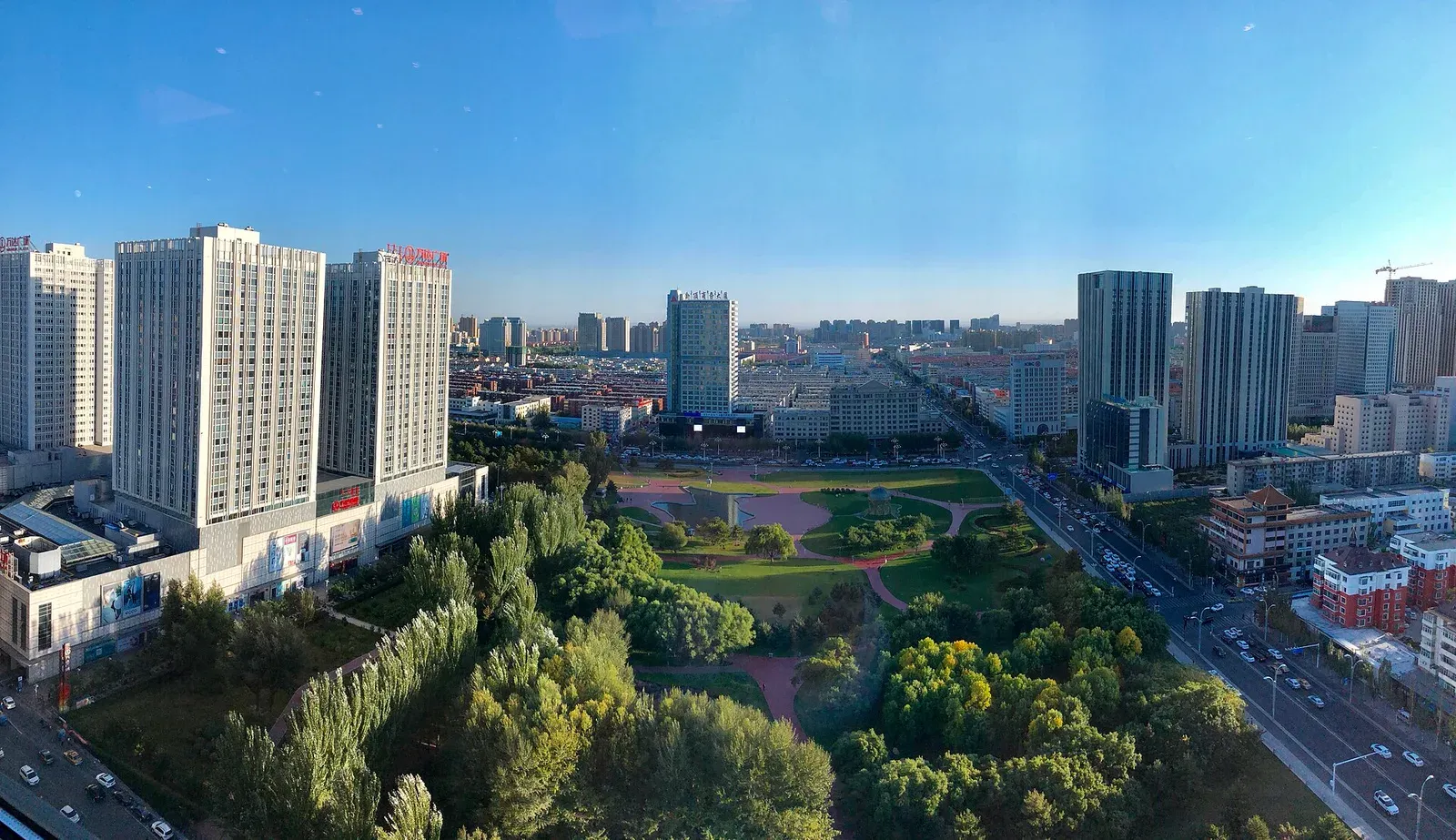
Photo: Nickm57 / Wikimedia Commons, CC BY-SA 4.0
A trip to Baotou, China usually takes 2 to 3 days. Main highlights include the urban grassland, two Ming and Qing dynasty temple complexes (Wudangzhao and Meidaizhao), industrial city sights, and border pasturelands. The name of Baotou City comes from the Mongolian phrase for \"a place with deer\", giving it the nickname \"Deer City\". Built on the Mongolian grasslands with a major steel industry, it is also known as the \"Steel City on the Grassland\". Travel routes usually cover urban cultural landmarks, the pure Tibetan-style monastery in Shiguai District, and the Ming dynasty fortified temple town in Tumed Right Banner.
| Key Item | Details |
|---|---|
| Suggested travel time | 2 to 3 days |
| Urban natural highlight | Saihantala Urban Grassland (ecological reserve in Qingshan District) |
| Major historical monuments | Wudangzhao (Shiguai District, pure Tibetan-style monastery), Meidaizhao (Tumed Right Banner, Ming dynasty combined city and temple layout) |
| Nearby grassland extension | Xilamuren Town in Darhan Muminggan Joint Banner (summer grassland destination) |
| Urban railway hubs | Baotou Railway Station, Baotou East Railway Station (Hohhot-Baotou-Ordos-Ulanqab intercity trains support Railway e-Card) |
| Civilian airport | Baotou Airport (southern Donghe District, about 15 kilometers from downtown) |
What Is the Best Season to Visit Baotou, China?
When traveling in Baotou City, you should consider temperature swings and rainfall. Summer temperatures often exceed 30°C, and annual precipitation is about 300 millimeters, with more than half falling in July and August. Winters are cold, with temperatures often dropping below -15°C. Grass and trees grow well in summer and autumn, making it a good time to see the urban grassland and nearby pastures.
If you visit in summer, carry rain gear with you. If you visit in winter, bring plenty of windproof, warm clothing to handle the cold.
How Do Wudangzhao and Meidaizhao Differ, and How Should You Visit Them?
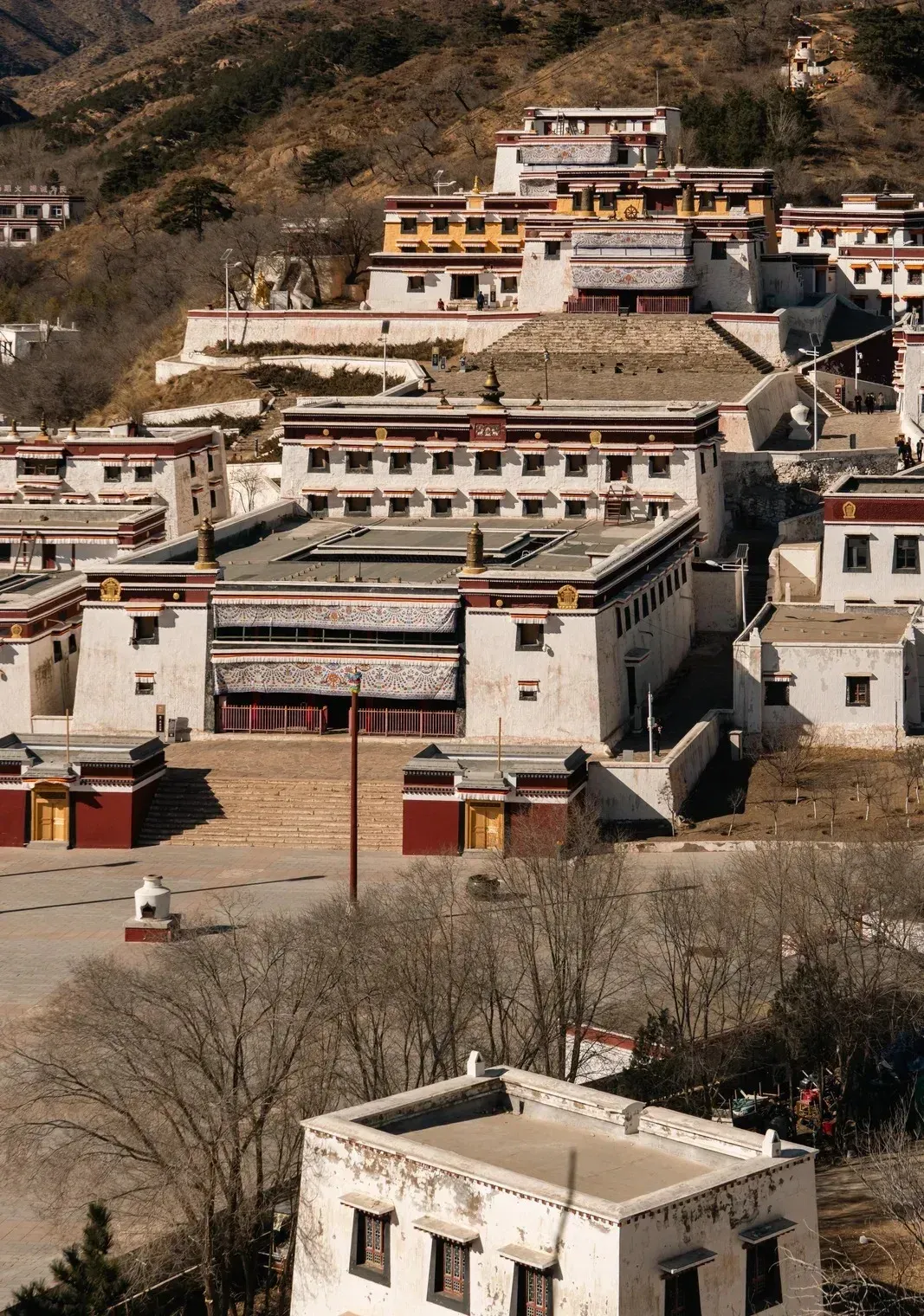
Wudangzhao and Meidaizhao are two historic Tibetan Buddhist temples in Baotou. Wudangzhao is located in Jihuluntu Sumu, Shiguai District, 54 kilometers northeast of the city center. It is the largest Tibetan Buddhist monastery in Inner Mongolia and its only fully Tibetan-style complex, honored as \"Eastern Tibet\". Meidaizhao sits in Tumed Right Banner. It served as both a residence and administrative center for Altan Khan and Jonang Queen (Sanniangzi) in the Ming dynasty as well as a Buddhist sanctuary, functioning as a temple where city and monastery combined, and where rulers and clergy coexisted.
The entire Wudangzhao complex is built along the mountain slope with 2,538 rooms. Its main architectural cluster comprises 6 large halls, including Sugchin Hall (Suguqin Dugan), 3 Living Buddha residences, and the Suburga Mausoleum. Sugchin Hall stands 22 meters high and covers 1,500 square meters. Its ground-floor chanting hall features 64 pillars and dozens of rows of seating benches, accommodating up to 1,000 lamas for prayers. Dongkuer Hall (Duinkhor Dugan), founded in 1749, has its rear section painted yellow and is commonly called the \"Yellow Temple\"; historically, it taught mathematics, astronomy, geography, and calendrical calculation. The second floor of Nuni Hall houses a cultural relics museum, displaying thangkas, Qing dynasty Jingdezhen porcelain, ritual implements, and the only two gilded mandala altars preserved in Inner Mongolia. Wudangzhao was listed as a Major Historical and Cultural Site Protected at the National Level in 1996 and rated a national 4A tourist attraction in 2001.
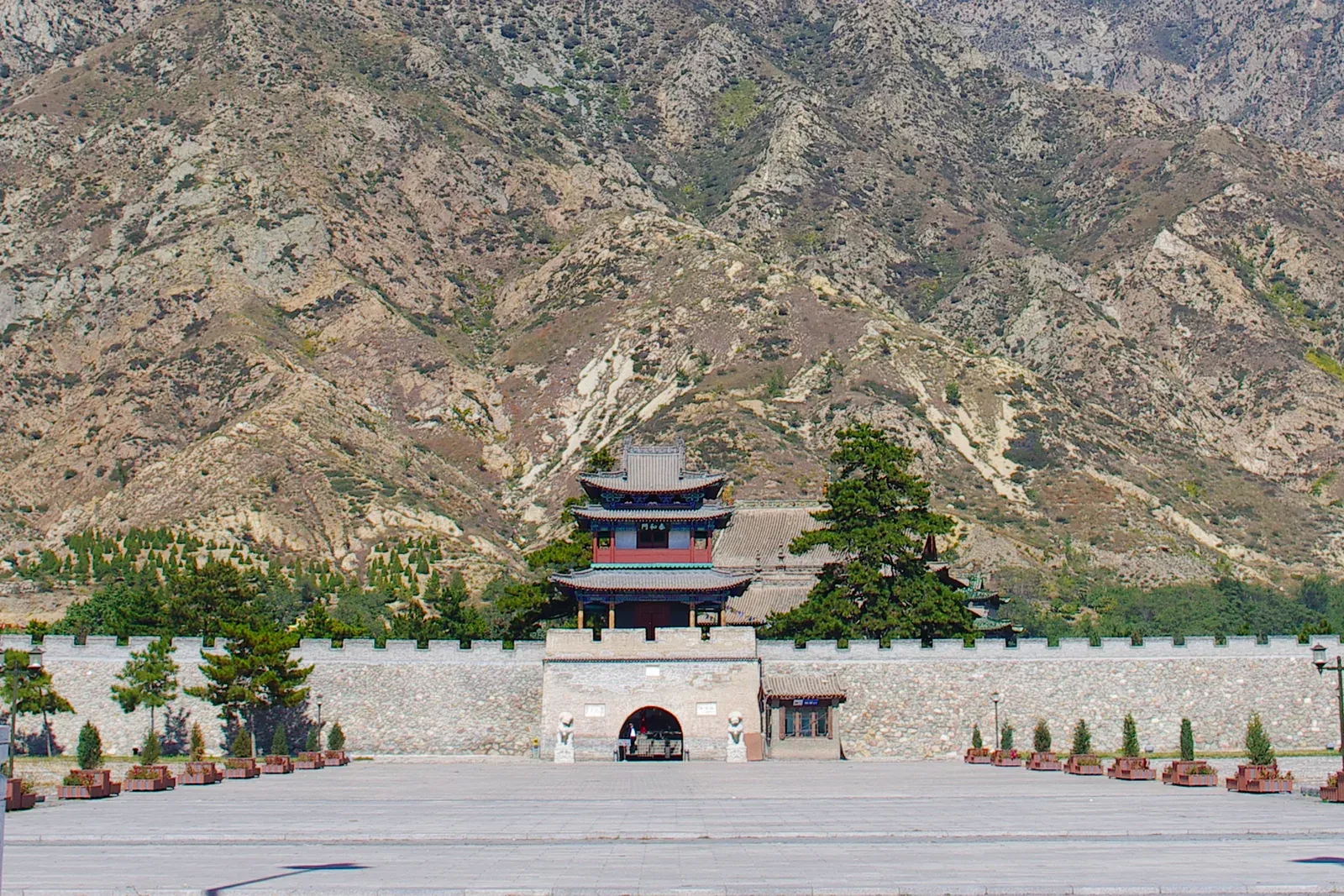
The ancient walled compound of Meidaizhao has a perimeter of 681 meters, with double-eaved corner watchtowers at the four wall corners. Its south main gate, Taihe Gate, was built in 1606. The plaque above the gate is inscribed with characters wishing for the consolidation of imperial territory, peace across the realm, prosperity for the people, and tranquility across all lands, signed \"Daming Jin Kingdom\". Meidaizhao preserves 1,650 square meters of Ming dynasty murals depicting religious and secular life among the Tumed Mongols during the Ming dynasty, earning it the reputation of a \"mural museum\".
| Temple Name | District/County and Location | Layout and Structure | Key Relics and Core Exhibits |
|---|---|---|---|
| Wudangzhao | Jihuluntu Sumu, Shiguai District (54 km northeast of downtown) | Pure Tibetan-style complex on mountain slope, with 2,538 rooms and halls like Sugchin Hall | Gilded mandala altars, Qing dynasty Jingdezhen porcelain, thangkas, and ritual objects |
| Meidaizhao | Tumed Right Banner (east of Baotou) | Walled compound with 681-meter perimeter, double-eaved corner towers, and south main gate built in 1606 | 1,650 square meters of Ming murals, Taihe Gate plaque signed Daming Jin Kingdom |
Tip: Wudangzhao is in Shiguai District to the northeast of downtown, while Meidaizhao is in Tumed Right Banner due east, so they sit in different directions. If your time is limited, visit them in separate half-days to avoid backtracking.
What Unique Sights Can You Find Across Baotou and Its Surroundings?
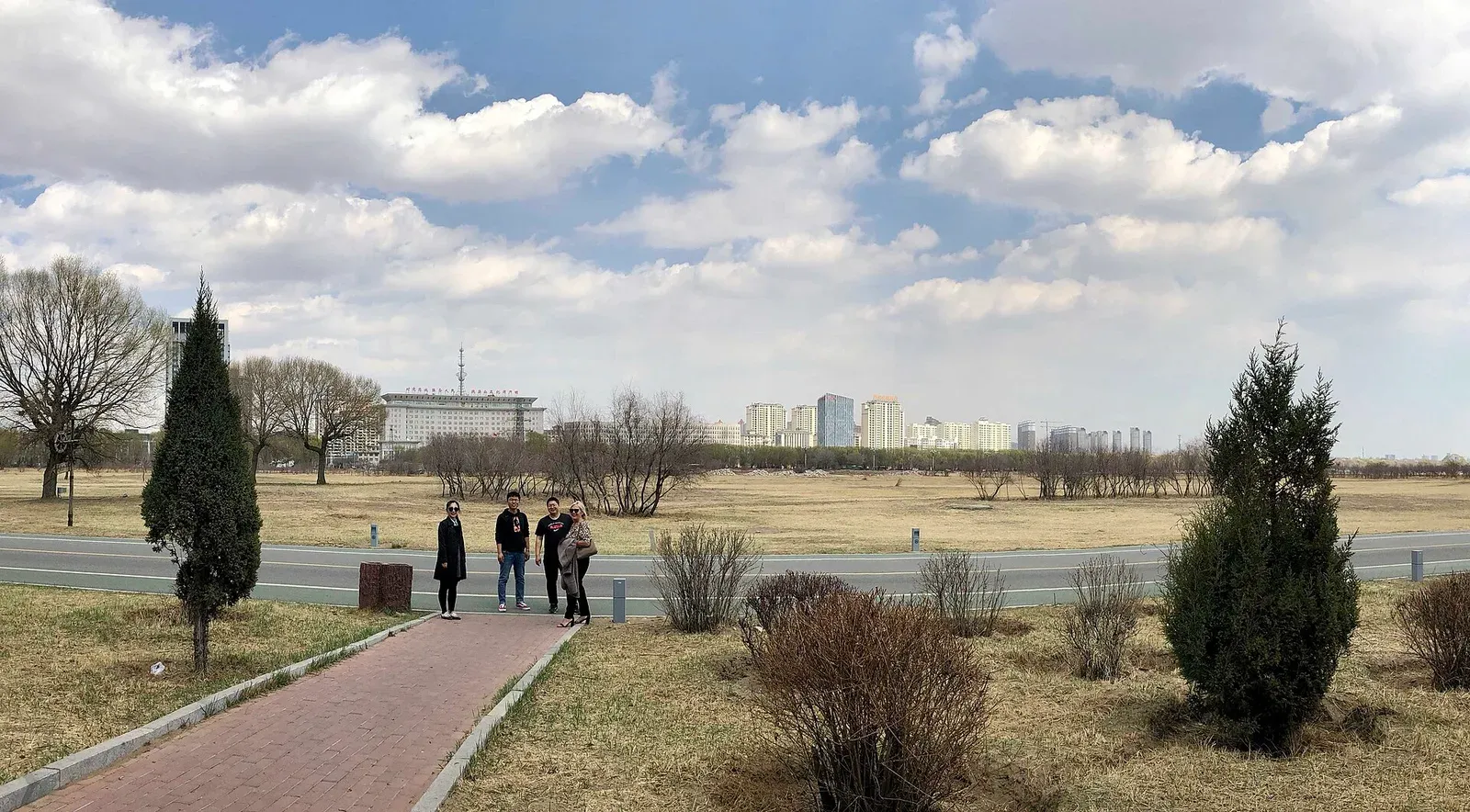
In the urban center, Qingshan District features the Saihantala Urban Grassland (an ecological reserve) covering 5.5 square kilometers, home to 30 species of wild animals and birds, receiving about 2 million visits each year. The landmark city sculpture of Baotou stands in front of the First Workers' Cultural Palace, featuring three running deer that symbolize the \"Deer City\". Each district has a distinct character: Donghe District in the southeast is the historic old town, Kundulun District is the steel production base, Qingshan District serves as the manufacturing center, and Jiuyuan District forms the new urban core.
Around the city, the Yellow River flows along the southern edge of Baotou for a total length of 214 kilometers within its borders. Darhan Muminggan United Banner is the only border banner of Baotou, and Xilamuren Town, a well-known summer grassland getaway, belongs to this banner.
If you want to experience pastureland within the urban area, head to the urban grassland in Qingshan District. If you want to see summer grasslands in a border banner, travel north to Xilamuren Town in Darhan Muminggan United Banner.
What Traditional Local Foods Should You Try in Baotou?
Steamed dumplings (shaomai), locally written as shaomei, are wrapped in thin hot-water dough with ruffled pleated edges and steamed in bamboo baskets, making them an iconic local breakfast. In addition, savory and spicy lamb offal soup helps warm you up in chilly weather, while cast-iron pot stewed noodles with pork ribs, mongolian leek buns, and naked oat noodles (youmian) are also classic regional specialties.
Mongolian tradition refers to meat dishes as \"red food\" (Ulaan Ide). Boiled mutton eaten by hand (shoubarou) has been a pastoral staple for centuries. Traditional Mongolian roasted whole sheep usually uses a plump sheep of around 40 jin, roasted whole and placed on a square wooden platter in a kneeling position, offering crisp skin and tender meat. Baotou is also a renowned hub and origin for instant-boiled mutton hotpot, where nationwide chain brands such as Little Sheep and Xiao Wei Yang were founded.
Tip: Freshly steamed shaomei has thin wrappers, tender meat, and rich juices, so locals pair it with hot brick tea to cut through the richness and follow traditional breakfast habits.
How Do You Get to Baotou and Travel Around the City?
Options for reaching Baotou include commercial flights and passenger trains. Baotou Airport is located in southern Donghe District, about 15 kilometers from the urban center, connected directly by an airport expressway.
Rail passenger service mainly uses Baotou Railway Station and Baotou East Railway Station, with Hohhot-Baotou-Ordos-Ulanqab intercity trains supporting the Railway e-Card. Traveling to Wudangzhao in Shiguai District or Meidaizhao in Tumed Right Banner takes longer, so if you are traveling with family, your travel designer can arrange a private car and your driver to connect sights across districts smoothly.
Sources
Baotou - Wikipedia
Wudangzhao - Wikipedia
Meidaizhao - Wikipedia
Baotou City - Wikipedia
Darhan Muminggan United Banner - Wikipedia
Sources verified on November 18, 2026
FAQ
How many days are recommended for a trip to Baotou?
A trip to Baotou and its surroundings usually takes 2 to 3 days. You can spend time visiting the urban grassland in Qingshan District and city landmarks, setting aside half a day each for Wudangzhao in Shiguai District and Meidaizhao in Tumed Right Banner.
What is the difference between Wudangzhao and Meidaizhao?
Wudangzhao is a pure Tibetan-style architectural complex built against the hillside, featuring Sugchin Hall and mandala altars. Meidaizhao is a combined city and temple complex with a perimeter of 681 meters, preserving 1,650 square meters of Ming dynasty murals.
Is it convenient to take bullet trains from Hohhot to Baotou?
Yes, bullet trains run between the two cities, mainly arriving at and departing from Baotou Railway Station and Baotou East Railway Station, with support for swiping the Railway e-Card.
Which district is the Saihantala Urban Grassland in Baotou located in?
Saihantala Urban Grassland is located in Qingshan District of Baotou City. It is an ecological reserve that is home to a variety of wild animals and birds.